Blog Article
How transit-oriented development and TOC incentives are shaping Los Angeles multifamily strategy, financing, and long-term investment planning.

Stay Updated on Exclusive Opportunities & Off-Market Deals
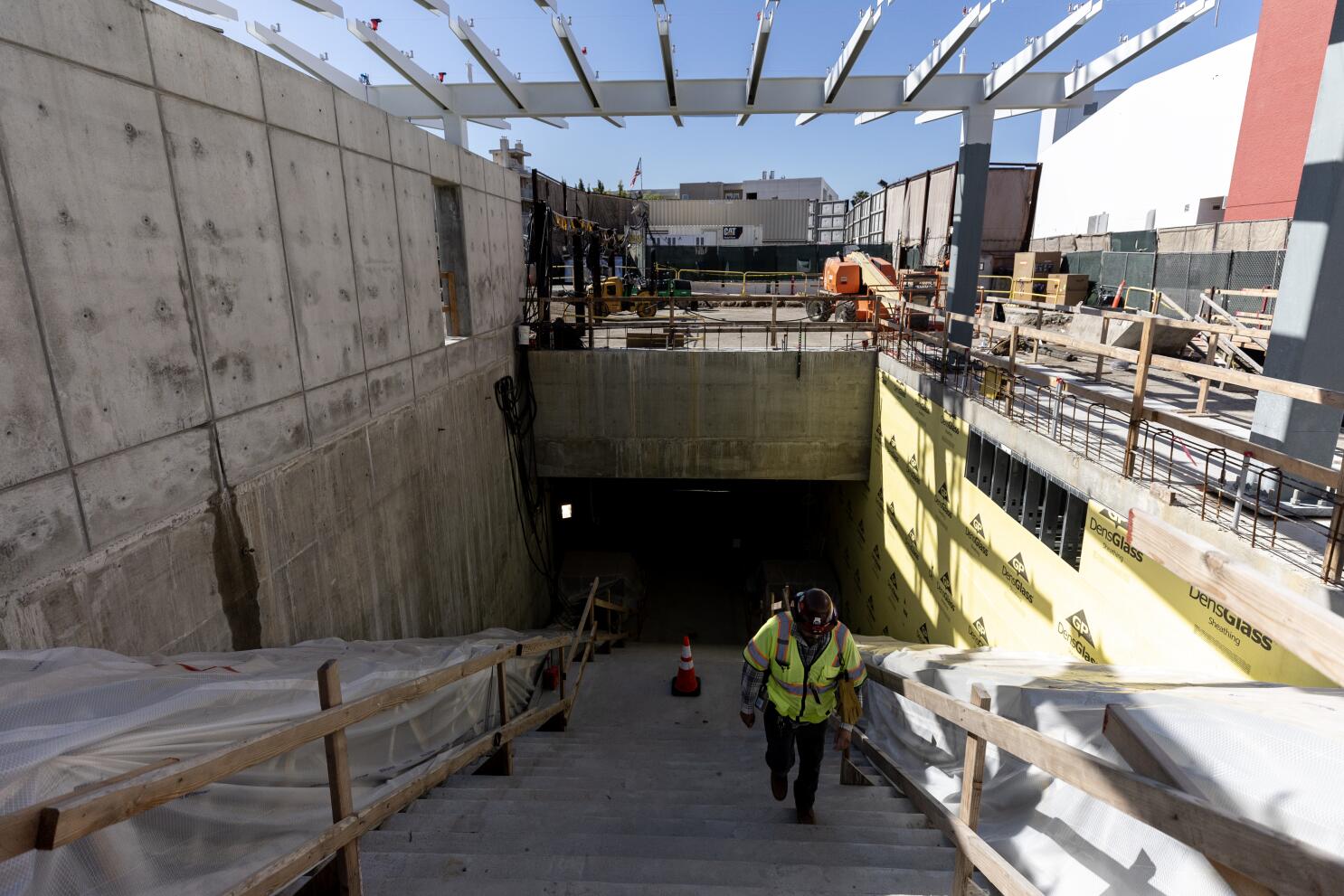
Transit-oriented development has become one of the most active segments of Los Angeles multifamily planning over the past two years. Developers are looking closely at sites near rail lines and high-frequency bus corridors, driven by incentive structures that make density more achievable and timelines more predictable. For owners and investors, the momentum around transit-adjacent housing is creating meaningful shifts in how projects are financed, where new units are delivered, and which neighborhoods are most likely to see sustained growth. Understanding these dynamics is increasingly important as the city continues to emphasize production around transit infrastructure.
Transit-Oriented Communities and the Rise of Density Near Transit
Los Angeles created the Transit-Oriented Communities (TOC) Incentive Program to encourage residential development within a half-mile of major transit stops. According to reporting from The Real Deal, developers are pursuing these sites because TOC offers benefits such as increased density, reduced parking requirements, more flexible design parameters, and a clear process for accessing concessions. The incentives are structured in tiers based on proximity to transit and the level of transit service offered.
Data cited by Los Angeles Business First shows the scale of activity. By the end of 2024, more than 110 TOC projects were in the pipeline, representing over 11,000 affordable and market-rate units. L.A. Metro has supported approximately 5,000 units near its stations across Los Angeles County and aims to help facilitate 10,000 units by 2031. Developers note that TOC provides a clearer path to approvals compared to traditional discretionary entitlement processes, making transit-proximal development more attractive, especially in a difficult capital market.
Why Transit-Oriented Development Matters for Los Angeles Multifamily
For investors and owners, transit-oriented development is influencing how the market evaluates future supply, site selection, and long-term positioning. Developers are responding to financing constraints by focusing on projects that offer by-right density, predictable approvals, and reduced per-unit construction costs. As one agent quoted in The Real Deal noted, many firms are choosing to pursue transit-adjacent locations because they offer the highest probability of securing financing in a market defined by higher interest rates, cost pressure, and shifting land values.
The implications for existing multifamily assets are significant. Properties near rail stations or major bus lines may capture increased interest from investors seeking locations with stronger long-term fundamentals. Submarkets with transit proximity often benefit from stable renter demand, a larger pool of car-light tenants, and stronger walkability scores, all of which can support future rent growth. In addition, TOC incentives can enhance redevelopment value by allowing density levels that would not be feasible in other locations with similar zoning.
At the same time, the market continues to face obstacles. Builders still cite high construction costs, tariffs on materials, and financing constraints as limiting factors. Even viable TOC sites may remain on the sidelines until economic conditions ease. However, industry sources interviewed by The Real Deal expect transit-oriented projects to be among the first to move forward once construction financing becomes more accessible, given the underlying strength of the locations and the consistency of the entitlement pathway.
What Los Angeles Multifamily Owners Should Watch Moving Forward
Transit-oriented development is likely to remain a central theme in Los Angeles housing production over the next several years. Owners should pay attention to how TOC activity evolves, particularly in neighborhoods served by high-capacity rail lines such as the Red Line, Purple Line, and Expo Line. As more projects approach completion, surrounding multifamily properties may experience shifts in tenant demand, competition, and pricing dynamics.
Land value near transit is also likely to remain resilient. Parcels with redevelopment potential may benefit from the long-term optionality created by TOC incentives, even if developers are cautious in the near term. Owners who hold assets in these zones should periodically evaluate highest and best use, especially in markets where older buildings could support future repositioning under TOC frameworks.
Finally, investors should monitor how economic conditions influence the next wave of transit-oriented projects. As interest rates stabilize or decline, transit-adjacent locations may see increased construction activity, which could change the competitive landscape for existing assets. For buyers seeking long-term positioning in Los Angeles multifamily, transit-proximal buildings continue to represent a compelling strategic profile.
Conclusion
Transit-oriented development has become a defining feature of the Los Angeles multifamily landscape. The combination of TOC incentives, transit investment, and long-term renter demand is shaping where developers focus their efforts and where owners may see the greatest future potential. While construction costs and financing constraints remain challenges, the structural advantages of transit-adjacent locations position these areas to lead production once market conditions improve. For multifamily owners evaluating long-term strategy, understanding how transit-oriented development affects land value, redevelopment feasibility, and neighborhood trajectories is increasingly essential in a city where policy and infrastructure continue to reshape the investment environment.
Explore Related Posts for Deeper Insights

The Stevens Difference
Kenny Stevens Team brings 25+ years of Los Angeles multifamily experience, with $2.75B+ in LA apartment sales across 675+ closed transactions.




37
COMBINED YEARS OF EXPERIENCE
Selling and trading Los Angeles multifamily real estate

KST
AVERAGE
Sold price to listed price
