Blog Article
The expanded Los Angeles adaptive reuse ordinance reduces entitlement risk and opens new corridors to office-to-residential conversion projects.
Stay Updated on Exclusive Opportunities & Off-Market Deals
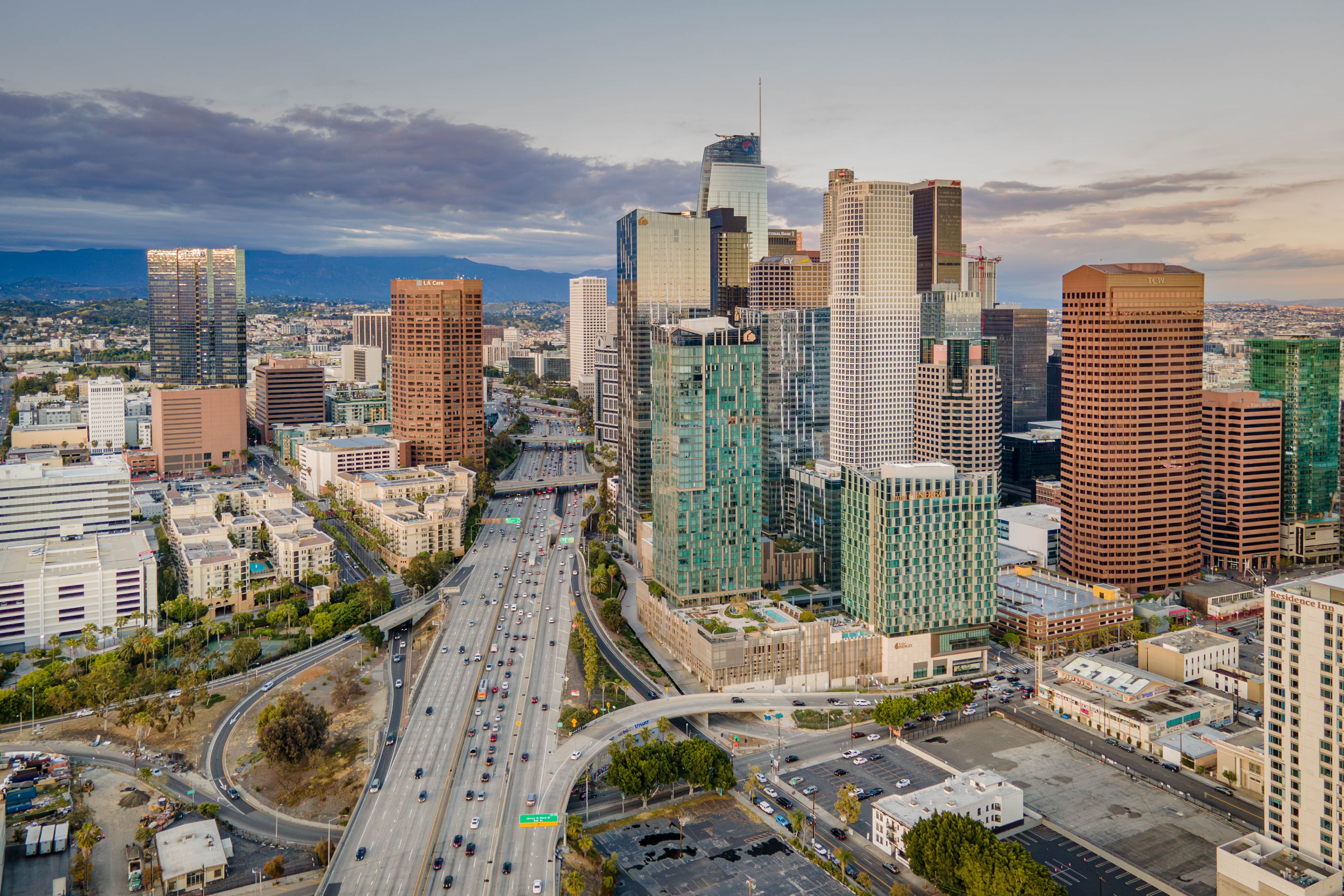
The Los Angeles City Council has approved a citywide expansion of the Los Angeles adaptive reuse ordinance, replacing the prior Adaptive Reuse Incentive Areas Specific Plan that largely limited conversions to Downtown, Chinatown, Hollywood, and Koreatown.
Commercial buildings just 15 years old are now eligible for residential conversion if they meet objective standards. Projects may proceed with administrative approval rather than extended discretionary review and council-level hearings.
The shift reduces entitlement risk. It also materially expands where housing conversions are possible.
What Changed Under the Los Angeles Adaptive Reuse Ordinance
The original 1999 ordinance focused primarily on older office buildings in Downtown Los Angeles. The updated framework replaces the pre-1975 eligibility restriction with a rolling 15-year threshold and extends eligibility across all areas within city limits.
Office, retail, industrial buildings, and parking structures may now qualify for residential conversion if they meet city standards. Environmental review requirements are reduced for qualifying projects, and more approvals may be issued administratively at the staff level.
In practical terms, the approval path is clearer and more predictable.
Adaptive Reuse Projects Reflect Broader Geographic Reach
Several recent projects illustrate how adaptive reuse activity is extending beyond traditional downtown corridors.
In El Segundo, the former Northrop Grumman aerospace campus at 888 Douglas Street has been repositioned by Hackman Capital Partners into a large-scale creative office and mixed-use campus. While not a residential conversion, the project reflects the scale at which older commercial properties are being repositioned across Los Angeles County.
Downtown, Jamison’s planned conversion of the L.A. Care tower at 1055 West 7th Street into approximately 690 residential units demonstrates how high-rise office inventory can transition into multifamily housing under the adaptive reuse framework.
These projects underscore how the expanded Los Angeles adaptive reuse ordinance broadens geographic and asset-type exposure.
Why This Extends Beyond Downtown
Los Angeles currently has more than 50 million SF of vacant office space across multiple corridors, including Wilshire Blvd, Ventura Blvd, Westwood, the Harbor area, and South Los Angeles.
Under prior rules, many of these properties were outside designated adaptive reuse zones. That limitation has been removed.
RentCafe estimates that office-to-residential conversions across Los Angeles could yield approximately 4,400 housing units under the expanded framework. The city currently ranks among the most active adaptive reuse markets nationwide, with more than 5,600 units in the pipeline.
The ordinance expands where conversions are legally viable. Market conditions will determine how many proceed.
Streamlined Approvals Do Not Eliminate Financial Constraints
The expanded Los Angeles adaptive reuse ordinance removes a significant procedural hurdle. It does not eliminate economic constraints.
Interest rates remain elevated relative to prior cycles. Construction costs exceed pre-2020 levels. Labor availability remains uneven. Measure ULA continues to influence transaction economics. Unlike some peer cities, Los Angeles has not paired this expansion with broad tax abatements or conversion subsidies.
Administrative clarity improves underwriting visibility. It does not guarantee feasibility.
What Developers Are Adjusting
The 15-year rolling eligibility standard introduces new potential candidates each year. More recently constructed buildings may require fewer seismic upgrades and less structural retrofitting compared to older assets.
Some developers are redesigning entitled office plans to accommodate smaller residential units. Buildings constructed under more recent code eras may reduce retrofit friction relative to pre-1970 structures.
The ordinance reduces timeline uncertainty. That changes how entitlement risk is evaluated in underwriting.
What the Los Angeles Adaptive Reuse Ordinance Means for Multifamily Owners
This is a structural supply adjustment, not an immediate wave of inventory.
Conversions require capital, time, and disciplined underwriting. However, the geographic exposure has expanded meaningfully. Office-heavy corridors that previously faced entitlement constraints now have a clearer path to residential use.
Los Angeles is required by the state to plan for more than 450,000 new housing units by 2029. Adaptive reuse alone will not meet that target, but it expands one of the few scalable tools available to increase supply without ground-up construction.
For multifamily owners, near-term rent dynamics are unlikely to shift materially. Over a longer cycle, adaptive reuse may incrementally add supply in specific submarkets where office distress remains concentrated.
The ordinance removes a procedural obstacle. The market will determine how many projects ultimately pencil.
Explore Related Posts for Deeper Insights

The Stevens Difference
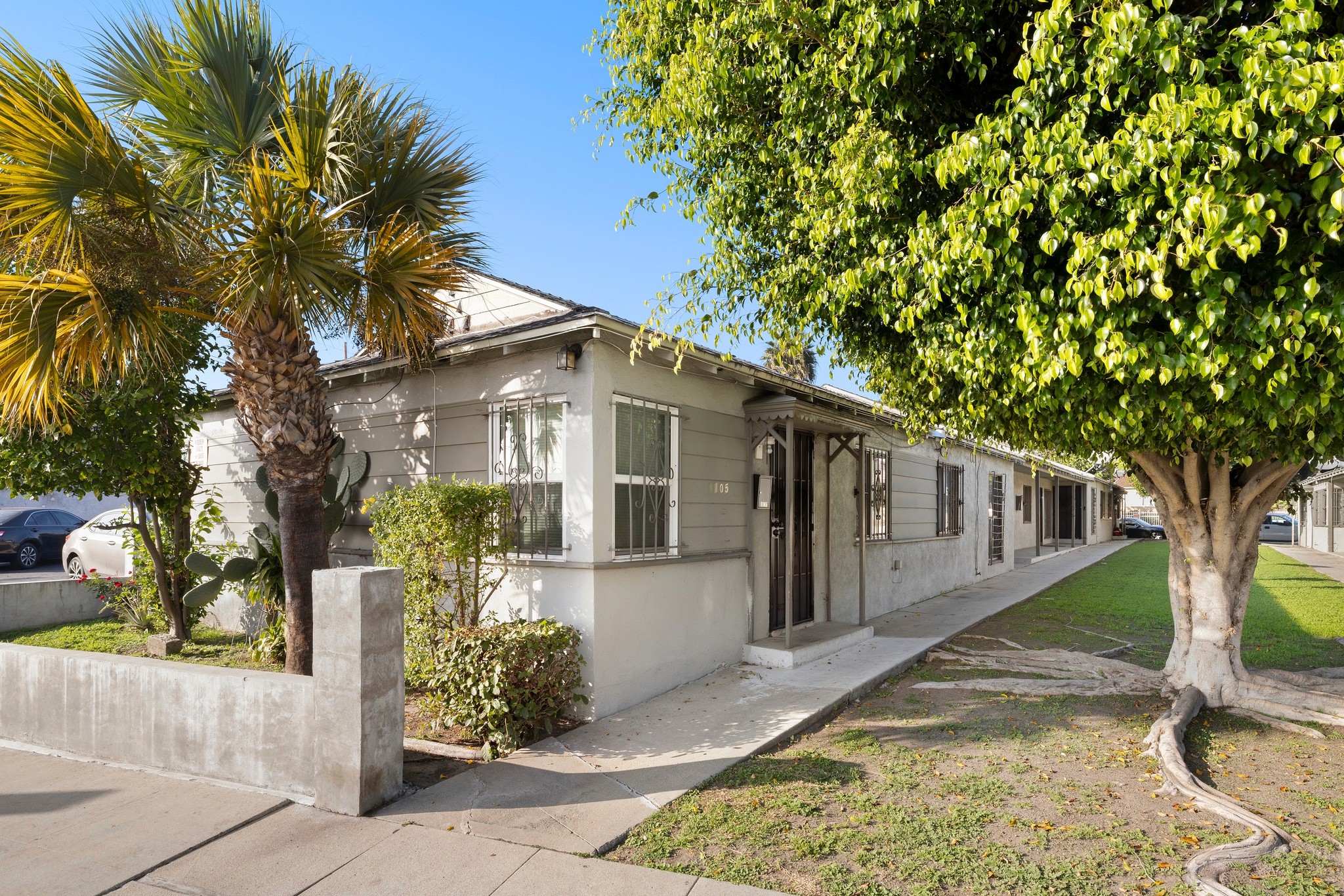
Kenny Stevens Team brings 25+ years of Los Angeles multifamily experience, with $2.75B+ in LA apartment sales across 675+ closed transactions.




37
COMBINED YEARS OF EXPERIENCE
Selling and trading Los Angeles multifamily real estate
KST
AVERAGE
Sold price to listed price
