Blog Article
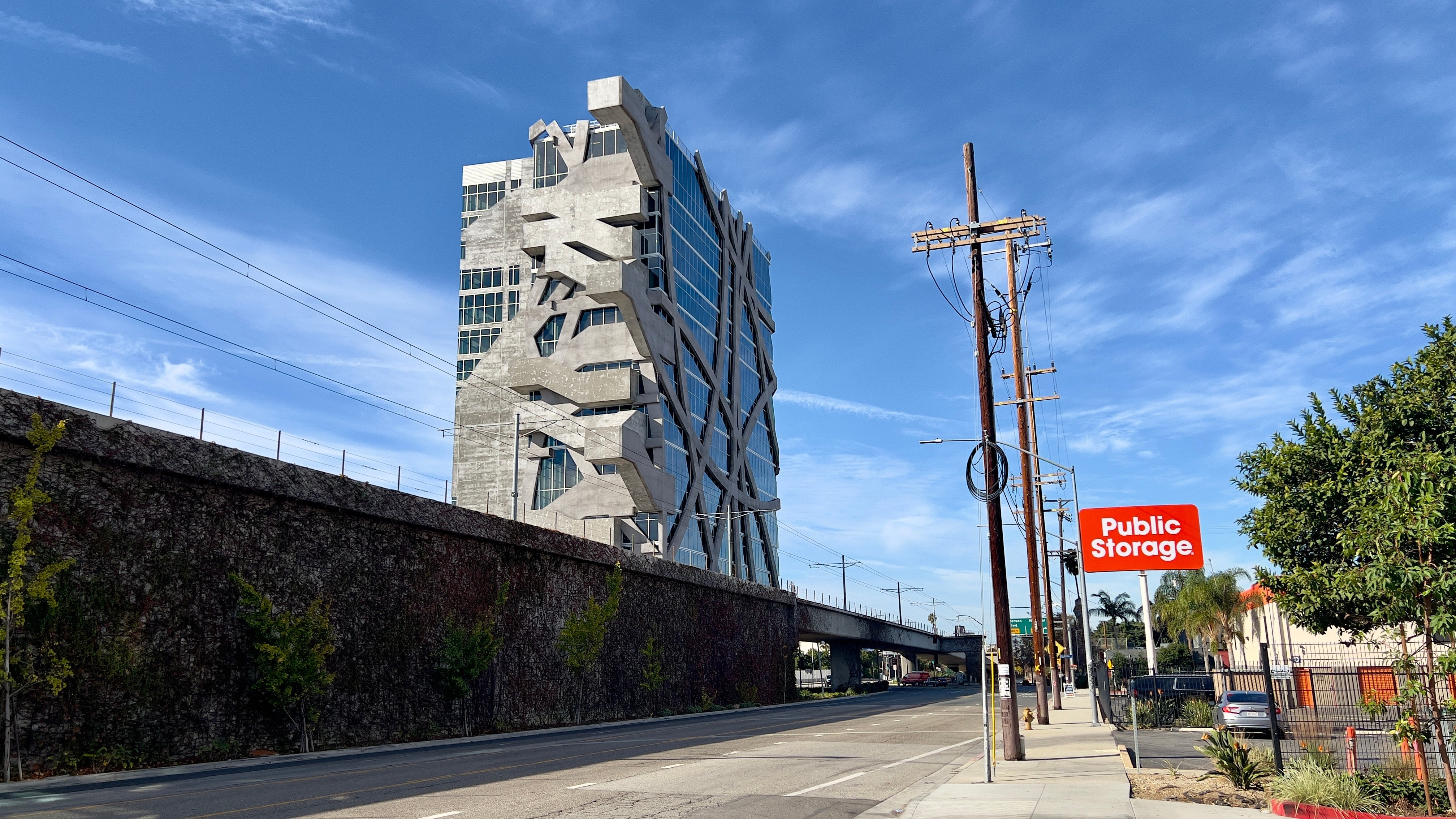
Los Angeles multifamily developers are increasingly turning to ED-1 for faster approvals and reduced entitlement risk. Here’s why ED-1 is reshaping development strategy across LA.

Stay Updated on Exclusive Opportunities & Off-Market Deals
A Faster Approval Path Is Reshaping Los Angeles Multifamily Development
Los Angeles has quietly formalized one of the most consequential development shifts in years. Earlier this month, the City Council adopted the Affordable Housing Streamlining Ordinance, converting Executive Directive 1 from a temporary emergency measure into permanent municipal law. For Los Angeles multifamily developers, this move locks in the most predictable entitlement pathway the city currently offers.
Under the ordinance, qualifying projects that deliver 100% affordable units must complete pre-construction review within 60 days, followed by permit issuance within 5 days. City officials report that approval timelines have been reduced from roughly 9 months to just weeks. In a market where financing, construction costs, and regulatory risk have compressed margins, certainty has become the most valuable commodity. ED-1 delivers that certainty.
Why ED-1 Has Become the Preferred Development Path
The appeal of ED-1 is not ideological. It is practical.
Traditional market-rate multifamily projects in Los Angeles face layered discretionary review, public hearings, appeals, and City Council votes. Each step introduces time risk, political risk, and cost escalation. Under ED-1, qualifying projects move through Planning on a ministerial basis, bypassing public hearings and discretionary approvals altogether.
That distinction matters. Developers can underwrite timelines with confidence, lenders can model carry costs more accurately, and investors can assess feasibility without assuming prolonged entitlement delays. As underwriting margins tighten, that predictability often determines whether a project pencils at all.
Simon Aftalion of Passo described the shift succinctly in comments to CoStar, calling the ordinance “a landmark moment for Los Angeles” that brings long-needed clarity to acquisitions and underwriting. His firm currently has 8 ED-1 projects underway and plans to deliver nearly 3,000 units through the program.
What the ED-1 Pipeline Tells Us About Market Direction
The data confirms the trend. Since ED-1 was introduced in late 2022, more than 35,000 affordable units have been proposed under the program, with approximately 29,000 approved to date. Projects are advancing across South LA, Hollywood, the Wilshire Corridor, and the San Fernando Valley. Several developments have already broken ground or reached completion.
This shift is not happening in isolation. Los Angeles is required to plan for approximately 225,000 new residential units by 2029. At the same time, vacancy rates remain among the lowest in the country, and average rents sit roughly 32% above the national average, according to CoStar. Demand remains strong, but the economics of new construction have become increasingly fragile.
ED-1 has emerged as the release valve. It does not solve construction cost inflation or financing constraints, but it removes one of the most unpredictable variables: entitlement risk.
The Broader Backdrop Still Favors Caution
Despite the momentum behind ED-1, the broader development environment remains challenging. Elevated construction costs, higher borrowing rates, labor constraints, and the city’s transfer tax on high-value transactions continue to weigh on feasibility. New construction activity across Los Angeles is down roughly 20% year over year, even as long-term housing targets loom.
Some early ED-1 proposals have stalled as capital markets adjusted to higher rates, underscoring the importance of disciplined underwriting. Fast approvals do not replace the need for conservative assumptions, realistic rents, and credible financing structures.
Still, developers argue that making ED-1 permanent meaningfully improves the risk profile of new projects. By removing discretionary delays, the ordinance reduces exposure to political shifts and neighborhood opposition that have historically derailed otherwise viable developments.
The Bottom Line
Los Angeles multifamily development has not become easier. It has become more selective.
ED-1 has emerged as the city’s most reliable approval pathway at a time when certainty matters more than ever. Developers are not shifting because they prefer affordable housing; they are shifting because ED-1 offers speed, clarity, and reduced entitlement risk in a market where traditional paths no longer pencil.
For owners, investors, and developers alike, understanding how ED-1 reshapes feasibility is no longer optional. It is now a core part of navigating the next phase of Los Angeles multifamily development.
Explore Related Posts for Deeper Insights

The Stevens Difference
Kenny Stevens Team brings 25+ years of Los Angeles multifamily experience, with $2.75B+ in LA apartment sales across 675+ closed transactions.




37
COMBINED YEARS OF EXPERIENCE
Selling and trading Los Angeles multifamily real estate

KST
AVERAGE
Sold price to listed price
