Blog Article
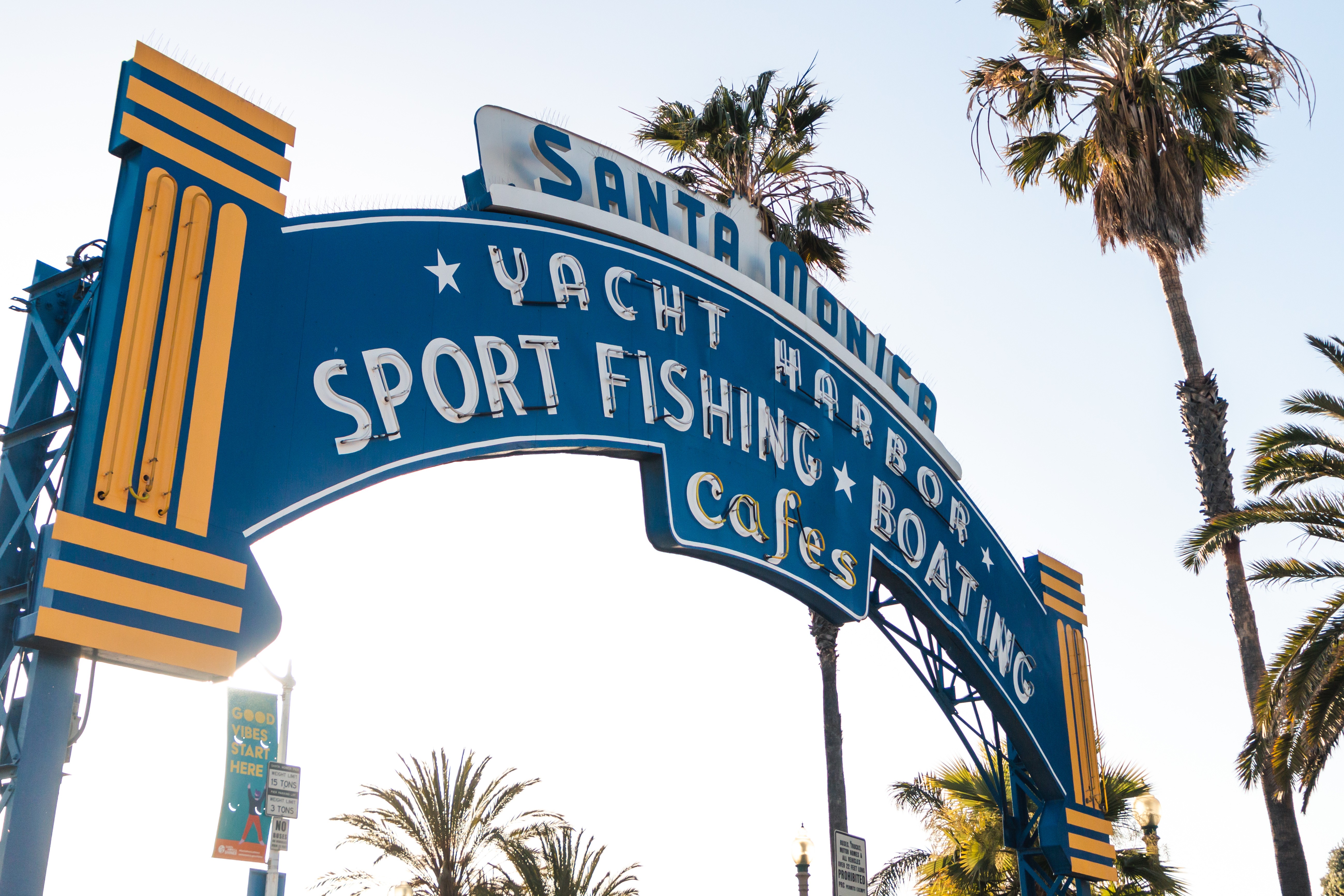
Santa Monica rents are down 8.1% year over year. Here’s what’s driving the shift and what it means for multifamily owners on the Westside.

Stay Updated on Exclusive Opportunities & Off-Market Deals
An 8.1% Decline Signals a Reset, Not a Breakdown
Santa Monica rent trends have shifted meaningfully heading into 2026. As of April, rents are down approximately 8.1% year over year, marking the largest decline across the Los Angeles metro, according to the Santa Monica Daily Press and Apartment List.
At face value, that number stands out. In context, it reflects a market working through a reset after an unusually sharp run-up, not a loss of long-term demand.
This shift also mirrors broader Los Angeles multifamily rent trends (insert internal link), where supply growth and softer demand are beginning to show up in leasing activity across multiple submarkets.
The Decline Follows a Temporary Demand Spike in 2025
The current pullback is tied directly to what happened the year prior.
In early 2025, wildfire-related displacement across the Westside created a temporary surge in demand. Santa Monica, along with nearby coastal submarkets, absorbed that demand quickly, pushing rents higher in a short period of time.
As those conditions normalized, pricing began to correct. What we are seeing now is not a new trend forming, but a reversal of a temporary imbalance. Santa Monica’s median rent now sits around $2,328, down from approximately $2,527 one year ago.
Pricing Pressure Is Now Visible Across Unit Types
The adjustment is not isolated to one segment of the market.
1-bed units have declined from approximately $2,392 to $2,203
2-bed units have declined from approximately $2,867 to $2,641
Overall median rent is down roughly $199 year over year
The more meaningful shift is not just in pricing, but in leasing behavior. Units are taking longer to lease, concessions are becoming more common, and renewal conversations are becoming more negotiated than assumed.
This is where owners feel the market change first.
New Supply and Timing Are Driving the Reset
The underlying drivers are consistent with what we are seeing across Los Angeles, but more concentrated on the Westside.
New multifamily supply has increased competition, particularly for older inventory. At the same time, renter demand has softened from the elevated levels seen during the pandemic cycle and the 2025 displacement period.
As that demand normalized, pricing followed. This is not a structural demand issue. It is a timing adjustment layered on top of increased supply.
Local Conditions Are Now Influencing Leasing Decisions
Santa Monica is not behaving purely as a supply and demand equation. Local conditions are starting to influence renter decision-making more directly.
Retail and office vacancy remain elevated in parts of the city, particularly around the Third Street Promenade. Several national and local tenants have exited, and foot traffic has not fully recovered, as outlined in recent reporting by the Santa Monica Daily Press (insert outbound link).
At the same time, renter preferences on the Westside continue to evolve. Nearby submarkets such as Brentwood, Culver City, and West LA are attracting demand, giving tenants more options within a relatively tight geographic range.
Factors such as daily convenience, neighborhood environment, and overall quality of life are now playing a more visible role in leasing decisions, particularly in higher-cost submarkets.
The City Is Responding, but the Impact Will Take Time
Santa Monica has begun implementing measures aimed at stabilizing activity and restoring confidence.
The Los Angeles Business Journal recently outlined the city’s response (insert outbound link), which includes increased public safety presence, expanded enforcement, and investment into infrastructure and public space improvements.
The city is also introducing activation efforts to restore foot traffic and is pursuing longer-term strategies such as permitting reform, redevelopment of underutilized land, and reinvestment into vacant retail corridors. These initiatives are part of the broader Santa Monica economic recovery plan.
These are constructive steps, but they will take time to influence leasing conditions in a measurable way.
What Santa Monica Rent Trends Mean for Owners Right Now
The takeaway for owners is not alarm. It is adjustment.
Pricing strategies that worked in 2024 and early 2025 are not translating the same way today. Lease-up timelines are longer. Concessions are part of the conversation again. Smaller unit types appear to be the most exposed.
More importantly, this shift reinforces how sensitive high-cost submarkets can be to localized conditions, even when long-term fundamentals remain intact.
Owners who stay close to competing inventory, track leasing velocity, and adjust early tend to protect occupancy and income more effectively than those who wait for broader data to confirm the shift.
We have seen similar dynamics play out across recent transactions (insert internal link to success stories), where early pricing adjustments led to stronger overall outcomes.
Santa Monica Rent Trends Are Changing, but This Is Not a Structural Shift
The current decline reflects a market absorbing temporary demand distortion, increased supply, and evolving neighborhood dynamics. Over time, Santa Monica’s core fundamentals, including its coastal location, income base, and supply constraints, continue to support long-term demand.
Markets like this tend to reward owners who stay engaged with the details rather than react to the headline. That has been consistent across cycles, and it applies here as well. For the latest news on the Los Angeles multifamily market, you can view our updates here.
Explore Related Posts for Deeper Insights

The Stevens Difference
Kenny Stevens Team brings 25+ years of Los Angeles multifamily experience, with $2.75B+ in LA apartment sales across 675+ closed transactions.




37
COMBINED YEARS OF EXPERIENCE
Selling and trading Los Angeles multifamily real estate
KST
AVERAGE
Sold price to listed price
