Blog Article
SB 721 requires recurring balcony inspections for multifamily properties, introducing structural review into long-term asset management.

Stay Updated on Exclusive Opportunities & Off-Market Deals
California’s SB 721 requires recurring inspections of certain exterior elevated elements in multifamily buildings containing three or more units. The first compliance deadline arrives January 1, 2025, with follow-up inspections required every six years thereafter.
For multifamily owners, SB 721 balcony inspection requirements are less about administrative compliance and more about structural visibility. The law introduces a recurring inspection cycle that forces evaluation of components many properties have not meaningfully examined since original construction.
What SB 721 Covers
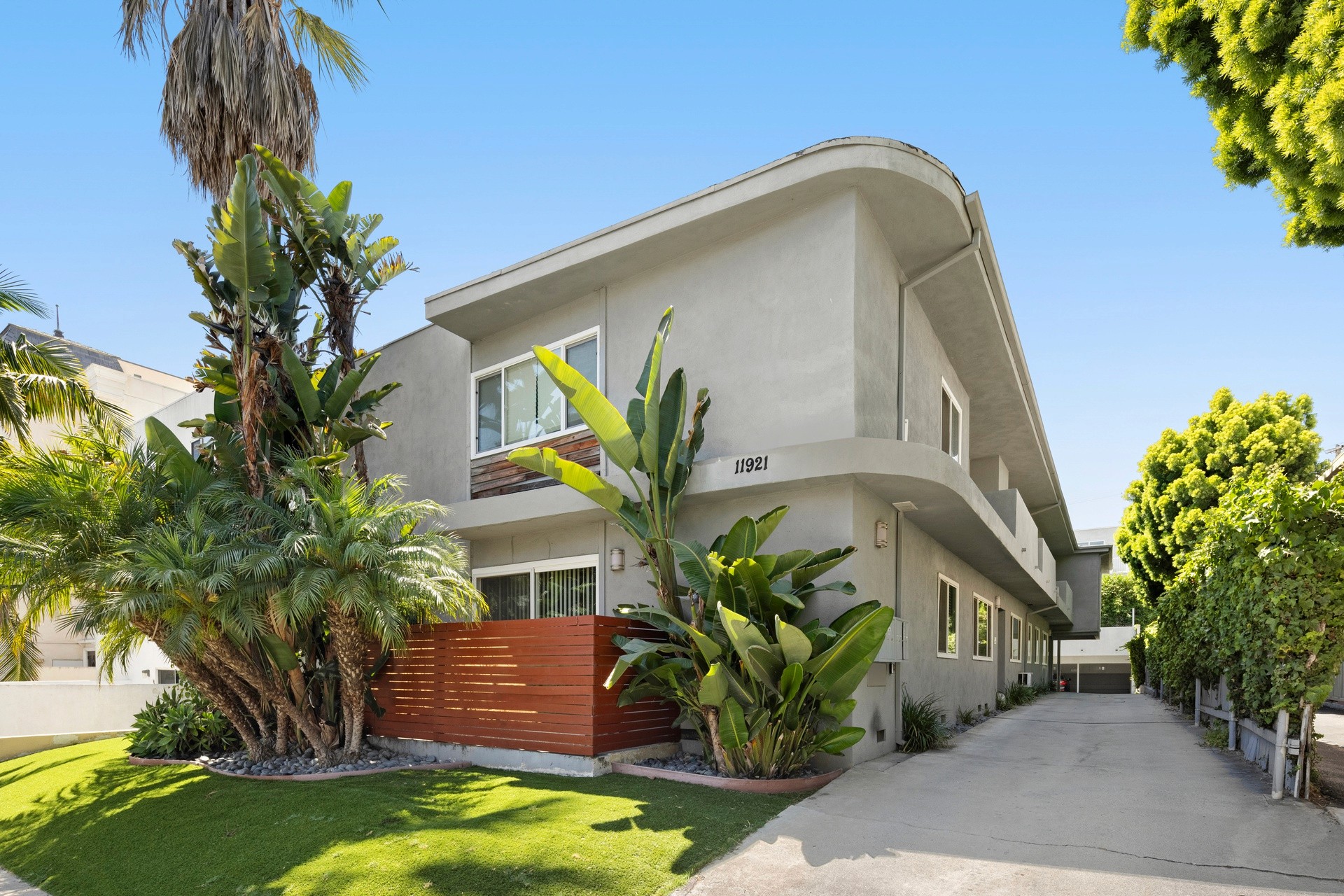
SB 721 applies to multifamily properties that include exterior elevated elements such as balconies, decks, stairways, porches, or walkways that extend more than six feet above ground level and rely in whole or in part on wood-based structural components.
The statute was enacted after high-profile structural failures involving wood-framed balconies. Its purpose is safety. Its operational effect is the formalization of structural accountability.
Many buildings constructed between the 1950s and 1990s fall directly within its scope.
Inspection Scope and Professional Standards
SB 721 inspections must be performed by a licensed structural engineer, architect, or qualified building professional operating under statutory standards. The evaluation extends beyond surface conditions and includes load-bearing elements and waterproofing systems that protect structural components from decay.
If deficiencies are identified, repairs must be completed within prescribed timeframes. Inspection reports must be retained for two full inspection cycles, or twelve years.
Over time, that documentation becomes part of the permanent operating record of the asset.
Deferred Maintenance Becomes Quantified
One of the more consequential aspects of SB 721 balcony inspection requirements is that they formalize visibility into deferred maintenance.
Exterior wood framing exposed to decades of weather and inconsistent sealing may not show obvious deterioration at the surface level. Invasive inspection can reveal structural exposure that was not previously documented.
When deterioration is discovered, corrective work may include structural reinforcement, framing replacement, waterproofing upgrades, railing replacement, or full reconstruction of balcony systems.
These are capital expenditures, not cosmetic repairs.
How SB 721 Intersects With Transactions and Financing
From an ownership standpoint, SB 721 intersects directly with capital planning, insurance underwriting, refinance diligence, and transaction timing.
A property with completed inspections and documented repairs presents differently to lenders and buyers than one with pending compliance. Inspection reports increasingly appear in due diligence packages. Deferred inspections can introduce uncertainty into negotiations.
The regulation does not create structural deficiencies. It formalizes when they must be evaluated and documented.
Structural Compliance as Ongoing Asset Management
SB 721 balcony inspection requirements establish a recurring structural review cycle. For long-term holders, this introduces a predictable six-year rhythm to capital evaluation.
For owners considering sale or refinance, inspection timing relative to a transaction may influence how risk is perceived. Completing inspections prior to marketing may reduce uncertainty. Delaying them may defer capital exposure but can complicate buyer underwriting.
Over time, structural durability, documentation discipline, and inspection history increasingly sit alongside rent performance and expense management as core components of asset quality.
The requirement is procedural. Its implications are structural.
Explore Related Posts for Deeper Insights

The Stevens Difference
Kenny Stevens Team brings 25+ years of Los Angeles multifamily experience, with $2.75B+ in LA apartment sales across 675+ closed transactions.




37
COMBINED YEARS OF EXPERIENCE
Selling and trading Los Angeles multifamily real estate

KST
AVERAGE
Sold price to listed price
