
Blog Article
Hollywood may be one submarket, but buyers do not view every building the same way. Three KST sales show why.

Stay Updated on Exclusive Opportunities & Off-Market Deals
Selling an apartment building in Hollywood starts with understanding that buyers do not look at every part of the submarket the same way.
A building near Franklin Ave may appeal to someone who prefers a quieter residential setting. Another buyer may place more weight on being near Sunset Blvd, Hollywood Blvd, transit, restaurants, or the Hollywood Media District.
Those differences matter, but location only starts the conversation. The building’s income, condition, unit mix, and price still need to work.
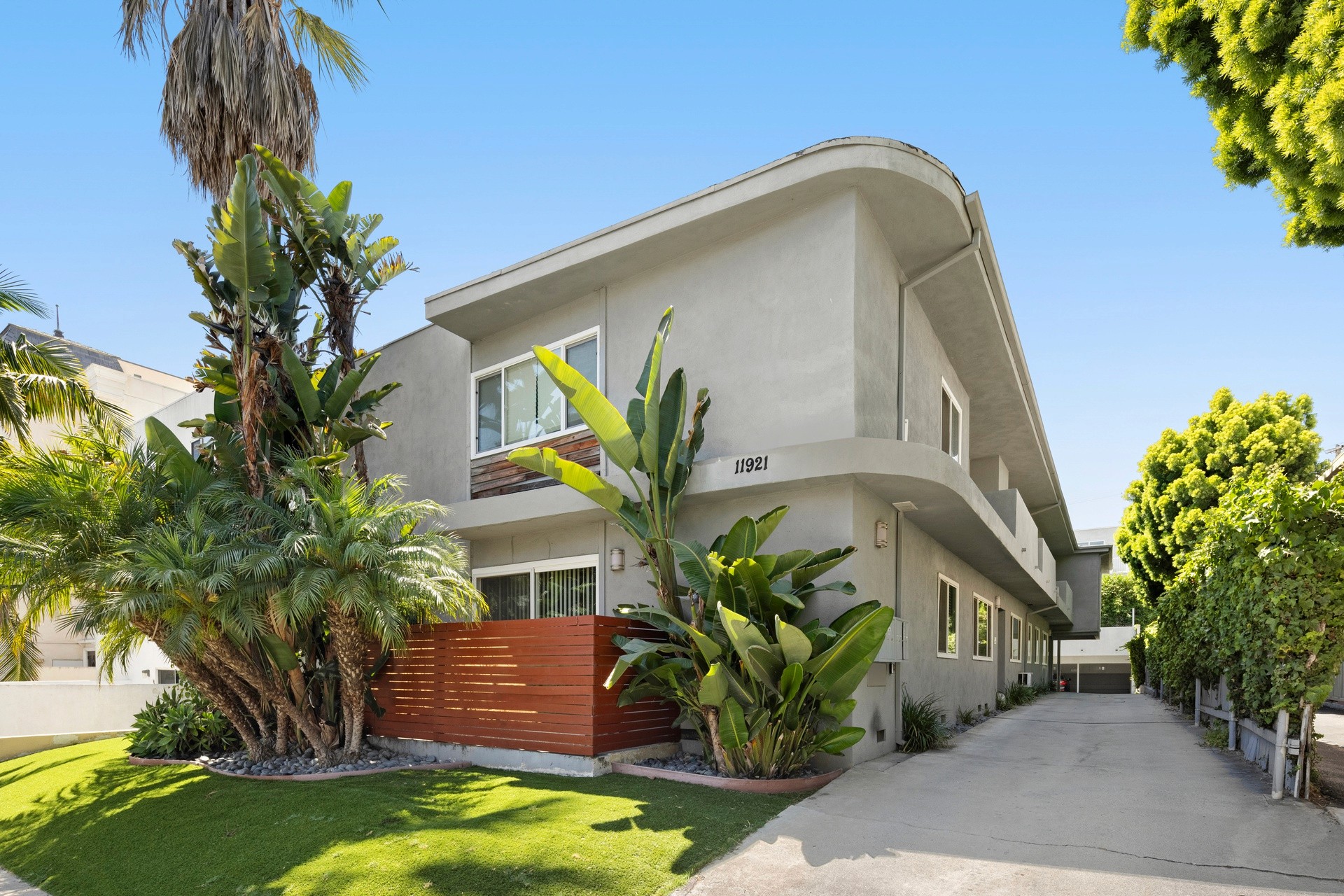
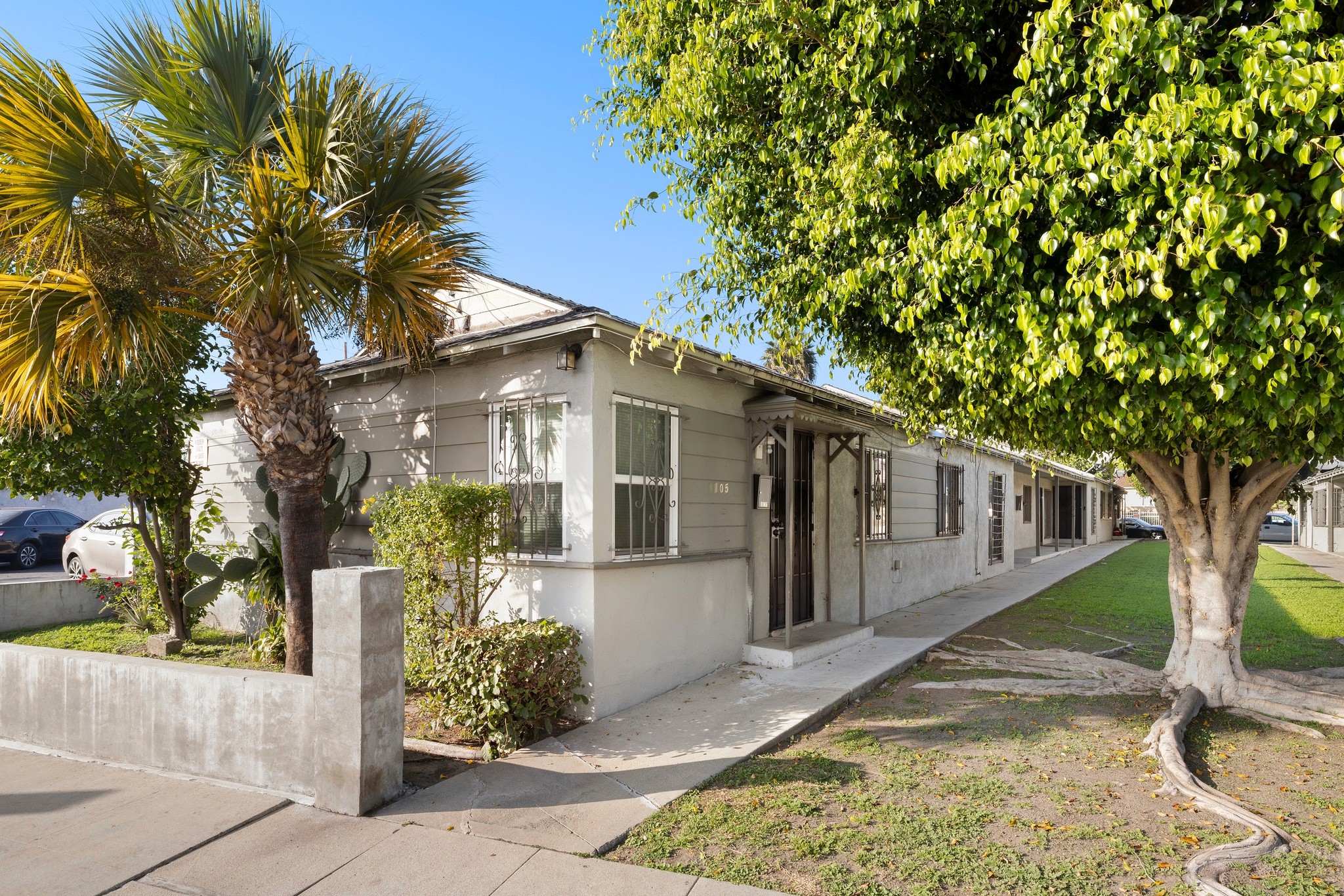
We saw that firsthand at 1336 N Citrus Ave, 922 N Hudson Ave, and 1301 N Mansfield Ave. All 3 were Hollywood apartment buildings, but each reached a different buyer for a different reason.
That is what an owner should understand before going to market.
These transactions are included as examples of buyer fit and execution, not as a current Hollywood comp set.
The Block Matters, but It Does Not Set the Price
Hollywood can change considerably within a few blocks.
Properties near Franklin Ave and the Hollywood Hills often feel more residential and removed from the activity farther south. Buildings closer to Hollywood Blvd or Sunset Blvd offer more immediate access to transit, restaurants, nightlife, and entertainment employment. The streets around Paramount Studios and the Hollywood Media District offer another combination of residential housing and proximity to major studios and production offices.
Buyers may value those locations differently depending on the building.
Transit can carry more weight at a studio-heavy property where fewer tenants depend on a car. Parking may matter more at a building with larger 1-bdrm. and 2-bdrm. units. A quieter street can help attract and retain tenants, but buyers will still compare that advantage with the rent roll and asking price.
The strongest marketing does not simply say that a property is in Hollywood. It explains why that part of Hollywood works for the building being sold.
Buyers Start With the In-Place Income
Buyers still recognize rent upside, but they are being more careful about how much they pay for income that may take years to reach.
Across its broader Los Angeles multifamily coverage, Kidder Mathews reported 5.5% vacancy, 0.2% year-over-year asking-rent growth, and a 5.8% average CAP rate in Q2 2026.
Below-market rents can still add value. Buyers simply do not treat that future income as though it is already being collected.
They will consider how far rents sit below comparable units, how long turnover may take, what the apartments could require before being leased again, and what return the building provides in the meantime.
The rent roll also needs to hold up. Current rents, move-in dates, deposits, parking income, laundry income, concessions, and tenant files should agree. When they do not, a buyer may question the income or use the uncertainty to renegotiate during escrow.
It is better to identify those issues before the buyer does.
1336 N Citrus: The Income Needed the Right Buyer
1336 N Citrus Ave was a 9-unit building located 1 block south of Sunset Blvd and 1 block west of Highland Ave.
The location was easy for buyers to understand. The day-one return was more difficult.
Many buyers using new financing could not make the acquisition work from the current income. After approx. 2 weeks of marketing, an outside agent introduced a 1031 exchange buyer purchasing his first multifamily property after selling a commercial asset.
The building closed for $2.2M, or 95% of the original list price, in a 21-day escrow.
The sale did not require every Hollywood buyer to agree with the price. It required someone whose equity, timing, and long-term plans matched the building.
How RSO Changes What Buyers Will Pay
RSO does not prevent a Hollywood apartment building from selling. It changes how buyers value the current income and the time required for it to grow.
The annual allowable increase for covered Los Angeles RSO units is currently 3% through June 30, 2027. Owners should verify the status and rent history of the individual property through LAHD or ZIMAS rather than relying only on when the building was constructed or what appeared in an older offering memorandum.
A local owner may be comfortable with long-term tenants and gradual rent growth. An exchange buyer may accept a lower initial return because the property fits a larger tax or ownership plan. Another buyer may prefer a newer building with fewer restrictions on annual increases.
An older RSO courtyard building can therefore attract a different buyer than a property built in the 1980s and marketed as exempt from City of LA rent control, even when the 2 are only a few blocks apart.
922 N Hudson: The Exemption Mattered, but Financing Narrowed the Field
922 N Hudson Ave was a 12-unit building built in 1985 and marketed as exempt from City of LA rent control, subject to buyer verification.
Buyers liked the reported exemption, side-by-side parking, and units averaging approx. 750 SF. The harder issue was making the existing income work with the financing available at the time.
Most leveraged buyers could not justify the acquisition using new debt. The eventual purchaser was a 1031 exchange buyer who knew Hollywood and could proceed without new financing.
The building closed for $3.425M, approx. 99% of list, with minimal credits negotiated.
The reported exemption helped bring the buyer to the property. The ability to close without new debt is what made the transaction work.
What Will the Next Owner Have to Take On?
The age of a Hollywood apartment building matters when it tells buyers what they may need to repair or replace after closing.
An older building is not automatically a weaker building. Many offer larger units, courtyards, natural light, and character that tenants continue to value.
Buyers will still want to understand the major building systems. A roof near the end of its useful life, older plumbing, electrical work, or an unresolved seismic issue can affect insurance, financing, and the amount of money required after closing.
A seller does not need to renovate everything before going to market. Sometimes completing a repair removes enough uncertainty to justify the cost. In other cases, the better decision is to organize the records, understand the likely expense, and allow the next owner to complete the work.
Known work is easier to price than a major problem discovered late in escrow.
The same applies to vacant units. A finished renovation can demonstrate an achievable rent, but the owner should compare the likely increase in value with the money and time required to complete it. Not every renovation returns dollar for dollar in a sale.
Who Is Most Likely to Buy the Building?
Hollywood attracts local apartment owners, private investors, 1031 exchange buyers, developers, and investors looking for dependable long-term income.
They are not all looking for the same building.
A buyer focused on immediate cash flow may pass on a property where most of the value depends on future turnover. A local operator may be comfortable with RSO and older building systems. A developer may care more about the lot and zoning than the existing rent roll. An exchange buyer facing a deadline may prioritize location, certainty, and the ability to close.
The unit mix can also affect who responds. Larger units and usable parking may appeal to buyers who expect longer tenant stays. Studios may place more weight on walkability and transit. A building with renovated vacancies may attract someone looking for a clearer read on achievable rents.
Broad marketing is still important. The strongest offer, however, usually comes from someone who understands why that particular building works.
The owner and broker should have a clear idea of who that buyer may be before the listing goes live, not after several months of weak activity.
1301 N Mansfield: A Larger Building Reached a Different Buyer
1301 N Mansfield Ave was a 19-unit property just west of Highland Ave near the Hollywood Media District.
The family had owned it for several decades. The building included studios, 1-bdrm. and 2-bdrm. units, along with 2 vacant renovated apartments. Ownership had also completed copper plumbing and balcony work.
Several offers were generated. The eventual purchaser was a 1031 exchange buyer who had recently completed a development project in Brentwood and wanted to move into a more stable, income-producing apartment building.
Mansfield closed for $3.9M, 64 days after the listing agreement was signed.
The buyer was not pursuing the same type of property as the purchasers of Citrus or Hudson. The larger unit count, completed work, renovated vacancies, and steady apartment income were what made Mansfield fit.
Zoning Matters Only When the Site Supports It
Some Hollywood properties may draw additional interest because of their lot, zoning, or proximity to transit. Those possibilities should be reviewed carefully before they are built into the asking price.
The Hollywood Community Plan was updated in January 2025 and covers a much larger area than central Hollywood alone, including East Hollywood, Los Feliz, Griffith Park, and several hillside communities.
A buyer still has to study the individual parcel. Lot size, zoning, existing density, overlays, tenant protections, demolition requirements, and construction costs can all affect what is realistically possible.
A corner lot on a major boulevard may attract development interest. A smaller occupied building on a residential street may still be worth more as an operating apartment property.
Zoning can bring another buyer into the conversation, but only when the site supports what is being proposed.
Should You Sell or Keep Holding?
Knowing what a Hollywood apartment building may sell for does not automatically mean the owner should sell it.
A property held for decades may provide dependable income, favorable property taxes, and a basis that would be difficult to replace. Continuing to hold can be the right decision when the building still fits the owner’s financial goals and the management remains workable.
The calculation changes when the property requires substantial work, management has become burdensome, ownership is divided among family members or partners, or the building no longer fits the owner’s plans.
In other words, a sale should solve something for the owner. That may mean simplifying management, reducing debt, completing a 1031 exchange, creating liquidity, resolving a partnership, or moving into a newer property with fewer day-to-day demands.
For higher-value transactions, Measure ULA also belongs in the discussion. The current City of Los Angeles thresholds are more than $5.4M and $10.9M. Qualifying transfers above $5.4M but below $10.9M are subject to a 4% ULA tax, while qualifying transfers of $10.9M or more are subject to a 5.5% ULA tax, in addition to the City’s base transfer tax. The thresholds adjust annually.
That does not mean an owner should automatically price below a threshold. It means the likely sale price should be compared with the ULA tax, debt payoff, commissions, closing costs, and any replacement-property plan.
A useful valuation should explain more than what the building might sell for. It should help the owner understand what the transaction is likely to accomplish.
Before Going to Market
Hollywood is one submarket, but the buildings within it do not reach buyers in the same way.
Citrus needed an exchange buyer who could look beyond a difficult day-one return. Hudson needed someone who valued the reported exemption and did not require new debt. Mansfield appealed to a buyer looking for greater scale and steady apartment income.
For an owner considering a sale, the first step is not necessarily putting the building on the market. It is getting an honest read on how buyers are likely to respond, where they may push back, and whether the expected result supports what comes next.
Frequently Asked Questions
What is my Hollywood apartment building worth in today’s market?
There is no single Hollywood CAP rate or price per unit that applies to every building. Buyers will look at the current income, expenses, RSO status, unit mix, condition, parking, exact location, and the sales most comparable to the property.
A useful valuation should explain how buyers are likely to view the building today, not simply apply a neighborhood average.
How do RSO and below-market rents affect the sale price?
Buyers can recognize value in below-market rents, but they account for the time required for the income to grow, the condition of the units when they become vacant, and the rules governing future increases.
RSO does not prevent a sale. It affects how much of the future rent upside a buyer is willing to pay for today.
Can I sell my apartment building with tenants still living there?
Yes. Most apartment buildings are sold with tenants in place.
Before going to market, the rent roll, leases, deposits, notices, parking agreements, and other tenant records should be reviewed for consistency. Buyers will rely on that information when they evaluate the income and complete due diligence.
Should I make repairs or renovate vacant units before selling?
Work that removes uncertainty, improves financing, or demonstrates an achievable rent may help. A renovation is less useful when its cost and timing exceed the value it is likely to add.
The decision should be based on what buyers are most likely to question, not on the assumption that every improvement will be fully recovered.
How long does it usually take to sell an apartment building?
The timing depends on the property, asking price, financing, buyer demand, and the length of the escrow.
A well-prepared sale can move quickly once the right buyer is identified, but owners should also allow time before launch to organize tenant records, operating statements, property documents, and any information buyers will need during diligence.
How could Measure ULA affect what I net from the sale?
Measure ULA can materially reduce net proceeds when a qualifying City of Los Angeles transaction exceeds the applicable annual threshold.
The expected sale price should be evaluated alongside ULA, the base transfer tax, commissions, debt payoff, closing costs, and possible buyer credits. Because the thresholds adjust annually, the applicable figures should be confirmed when the property is evaluated.
When should I begin planning a 1031 exchange?
Before the Hollywood property closes and, preferably, before it is listed.
Beginning early gives the owner more time to consider replacement locations, property types, financing, management requirements, and available inventory before the formal identification period begins.
Kenny Stevens brings more than 25 years of Los Angeles multifamily experience. Kenny Stevens Team has completed $2.75B+ in apartment sales across 675+ closed transactions. In Hollywood alone, Kenny has completed more than 200 sales totaling over $350M. That experience gives owners a grounded read on how buyers are likely to view the building, where pricing may be challenged, and whether a sale supports what they want to do next.
Explore Related Posts for Deeper Insights

The Stevens Difference
Kenny Stevens Team brings 25+ years of Los Angeles multifamily experience, with $2.75B+ in LA apartment sales across 675+ closed transactions.




37
COMBINED YEARS OF EXPERIENCE
Selling and trading Los Angeles multifamily real estate

KST
AVERAGE
Sold price to listed price
