
Blog Article
A Sherman Oaks building, a Van Nuys RSO property, and a newer Burbank asset will not reach the same buyers. Here is what Valley owners should know.

Stay Updated on Exclusive Opportunities & Off-Market Deals
The San Fernando Valley gets grouped together as one region. Buyers rarely treat it that way.
A Sherman Oaks building with larger units and usable parking can reach a different buyer than an older RSO property in Van Nuys. A North Hollywood property near Metro may compete on transit and walkability, while a Woodland Hills building may depend more on unit size, parking, access to the 101, and its proximity to Warner Center.
Burbank adds another distinction because it is a separate city with its own tenant rules.
None of those areas is automatically stronger. They simply give buyers different reasons to pursue a property.
For an owner considering a sale, the question is not whether investors like the Valley. It is what they are likely to value about the specific building, where they may push back, and whether the price reflects the income, condition, local rules, and work ahead.
Why Buyers Keep Looking in the Valley
One of the Valley’s advantages is the range of apartment properties available.
The region includes small family-owned buildings, mid-sized apartment properties, older RSO assets, post-1978 construction, larger complexes, and buildings that need substantial renovation. That variety attracts local owners, private investors, 1031 exchange buyers, and larger operators looking for scale.
Recent Van Nuys activity helps illustrate the range. Matthews reported approx. $94M in multifamily sales across 11 transactions during the first half of 2026. The surveyed sales ranged from 8-unit properties to a 390-unit community, while private investors remained active in the 6-to-20-unit segment.
That does not mean Van Nuys represents the entire Valley. It shows that buyers are still completing transactions at very different price points when the income, condition, location, and amount of work make sense.
A private investor looking for a 10-unit building in Van Nuys may have little interest in a newer Valley Village property at a much higher price per unit. A 1031 exchange buyer may place more weight on location, scale, and the certainty of closing. An all-cash buyer may accept substantial deferred work when the purchase price leaves enough room to complete it.
The Valley reaches many buyers. The seller still needs to know which of them is most likely to understand the building.
What Buyers Value Changes Across the Valley
Current research confirms that rents, vacancy, and new supply are not moving uniformly across the region.
CBRE reported Q1 2026 average effective rents of $2,726 per unit across its combined Sherman Oaks, North Hollywood, and Encino area, compared with $2,302 in Van Nuys and the Northeast Valley. Its research also showed considerably more recent construction in Van Nuys and the Northeast Valley. CBRE’s figures are based primarily on professionally managed, market-rate properties, so they are useful as directional context rather than direct rent projections for every privately owned building.
The numbers establish that the Valley varies. The more useful question is how those differences affect the sale.
In Sherman Oaks and Encino, buyers often place more weight on larger units, parking, condition, and the residential setting surrounding Ventura Blvd. The location may help support stronger rents, but it does not overcome an aggressive price, limited parking, or substantial work that has not been accounted for. Ventura and Sepulveda boulevards also form major commercial centers within the Sherman Oaks area, which can strengthen the daily convenience of a well-located apartment property.
Studio City, Toluca Lake, and Valley Village can reach buyers who value proximity to Burbank, the studios, Ventura Blvd, and central access to Hollywood and the rest of the Valley. Larger units, in-unit laundry, balconies, and parking can carry considerable weight in those neighborhoods. Buyers may accept a lower initial return for a newer, well-maintained property, but only when the income and condition support the premium.
North Hollywood works differently. Near the station and NoHo Arts District, transit and walkability can matter more, particularly for buildings with smaller units. The area is also seeing substantial transit-oriented development, so buyers will compare an older property with newer apartments, contemporary amenities, and any concessions being offered nearby. City Planning describes North Hollywood and Valley Village as a mix of residential neighborhoods, transit-oriented development, employment, and commercial activity.
Van Nuys and Panorama City tend to be more block-by-block. Buyers may focus more closely on current income, price per unit, tenant history, and the amount of work required after closing. A clean, well-run building can attract strong interest, but broad Valley rent growth will not make up for an asking price that ignores deferred maintenance or a weak day-one return.
Northridge and the Northwest Valley bring another set of considerations. Properties near CSUN may reach students, faculty, families, and other renters who place greater weight on larger floor plans and parking than immediate access to Metro rail. The renter base and physical layout can therefore matter differently than they do for a studio-heavy property in North Hollywood. CSUN has been a central institutional presence in Northridge since the 1950s.
Woodland Hills also needs to be separated into Warner Center and the more conventional apartment areas surrounding it. The Warner Center 2035 Plan is intended to encourage housing, employment, economic development, and a more walkable mix of uses. An apartment building near Warner Center may therefore be evaluated partly against newer development and the area’s continued growth. A property farther away may depend more on its unit size, parking, current income, and access to the 101.
This is why the nearest Valley sale is not always the best comparison. The stronger comp is usually the building that reached a similar buyer and offered a similar combination of income, unit mix, condition, regulation, and work ahead.
Buyers Start With the Income in Place
Below-market rents continue to attract buyers, but buyers are more careful about what they pay for income that may take years to reach.
They will look at how far the current rents sit below comparable units, how long turnover may take, what the apartments could require before being leased again, and what the property earns in the meantime.
Broader Los Angeles data helps explain that caution. Kidder Mathews reported a 5.5% vacancy rate, 0.2% year-over-year asking-rent growth, and a 5.8% average CAP rate in Q2 2026. Average sales pricing increased year over year in its sample, but higher CAP rates show that buyers still require more return than they did a year earlier.
Buyers are active. They are also pushing back when the income, condition, or available financing does not support the asking price.
That makes the rent roll one of the most important parts of the sale. Current rents, move-in dates, deposits, concessions, parking income, utility reimbursements, and tenant files should agree.
A discrepancy that appears minor to the owner can cause the buyer to question the income or request a price adjustment during escrow. It is better to understand those issues before the property reaches the market.
A Building’s Age Changes What Buyers Expect
An older building is not automatically a weaker building, and a newer property is not automatically worth more.
The age of the building matters because it can affect RSO, major building systems, insurance, financing, and the work a buyer may need to complete after closing.
For qualifying City of Los Angeles properties, RSO generally applies to rental units built on or before October 1, 1978. The allowable annual increase for covered units is 3% through June 30, 2027. Owners should confirm the status of the individual property through LAHD rather than relying only on its age or earlier marketing materials.
A buyer may still value an older RSO building with long-term tenants and below-market rents. The price will reflect how long the income may take to improve, the condition of the units when they become vacant, and what the building earns while the buyer waits.
A post-1978 property may offer more flexibility, but that benefit may already be reflected in the asking price. Buyers will still review the current return, operating expenses, building systems, and deferred work.
14245 Roscoe: The Buyer Accepted the Work
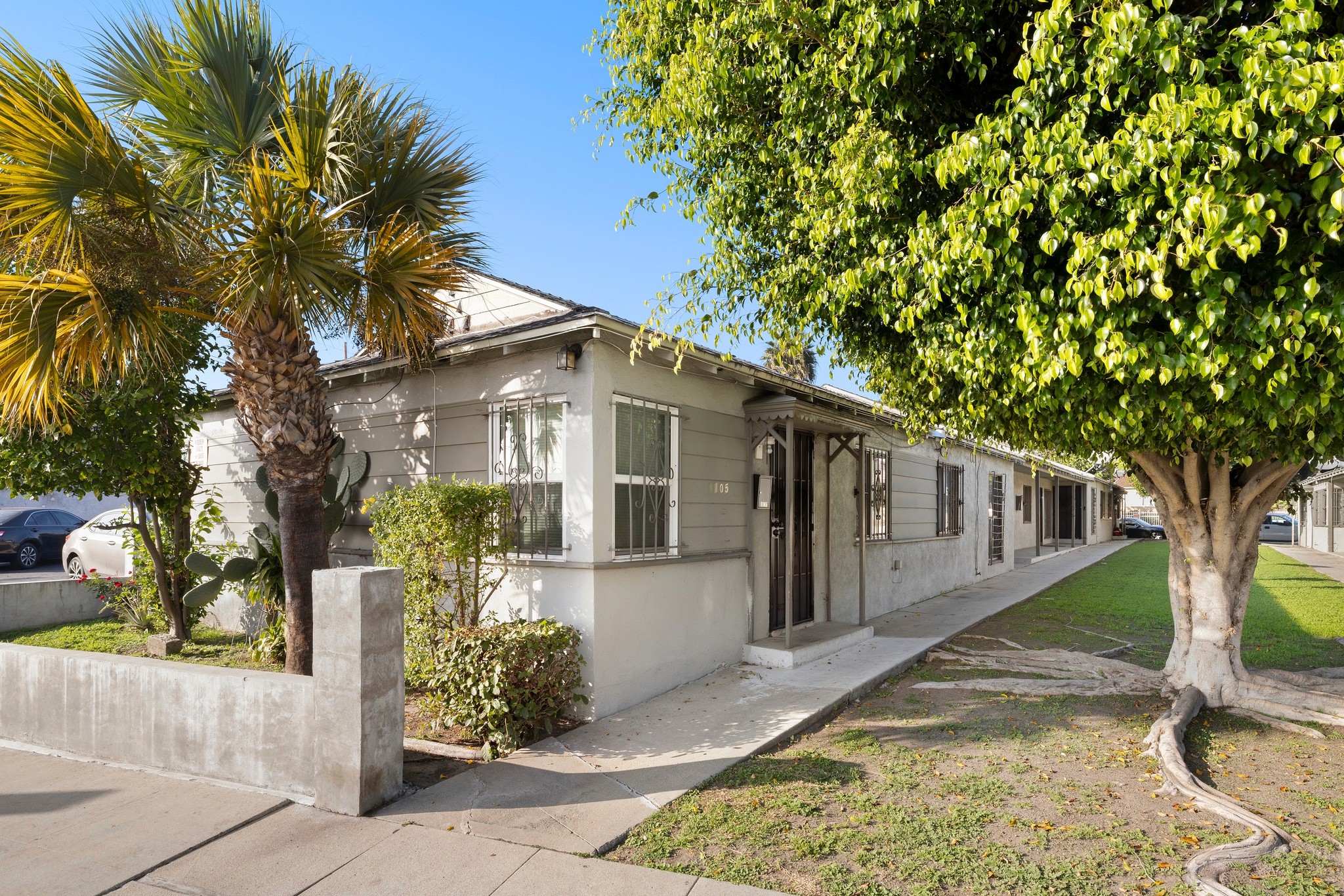
14245 Roscoe Blvd was a 6-unit Panorama City property that had been held as part of a family portfolio for several decades.
The sub-$1M price point and financial metrics generated immediate interest, but the building required a new roof, soft-story retrofitting, and interior updates throughout the property.
KST ultimately prioritized terms and certainty rather than choosing an offer based only on the highest initial price. The selected purchaser was all cash, submitted a non-contingent offer, and completed due diligence in 7 days. The property closed for $900,000.
The work did not prevent the sale. Buyers could see what needed to be completed, estimate the cost, and reflect it in their offers.
That is different from discovering a major issue late in escrow, when the buyer has more leverage to renegotiate.
4741 Radford: A Newer Building Reached a Different Buyer
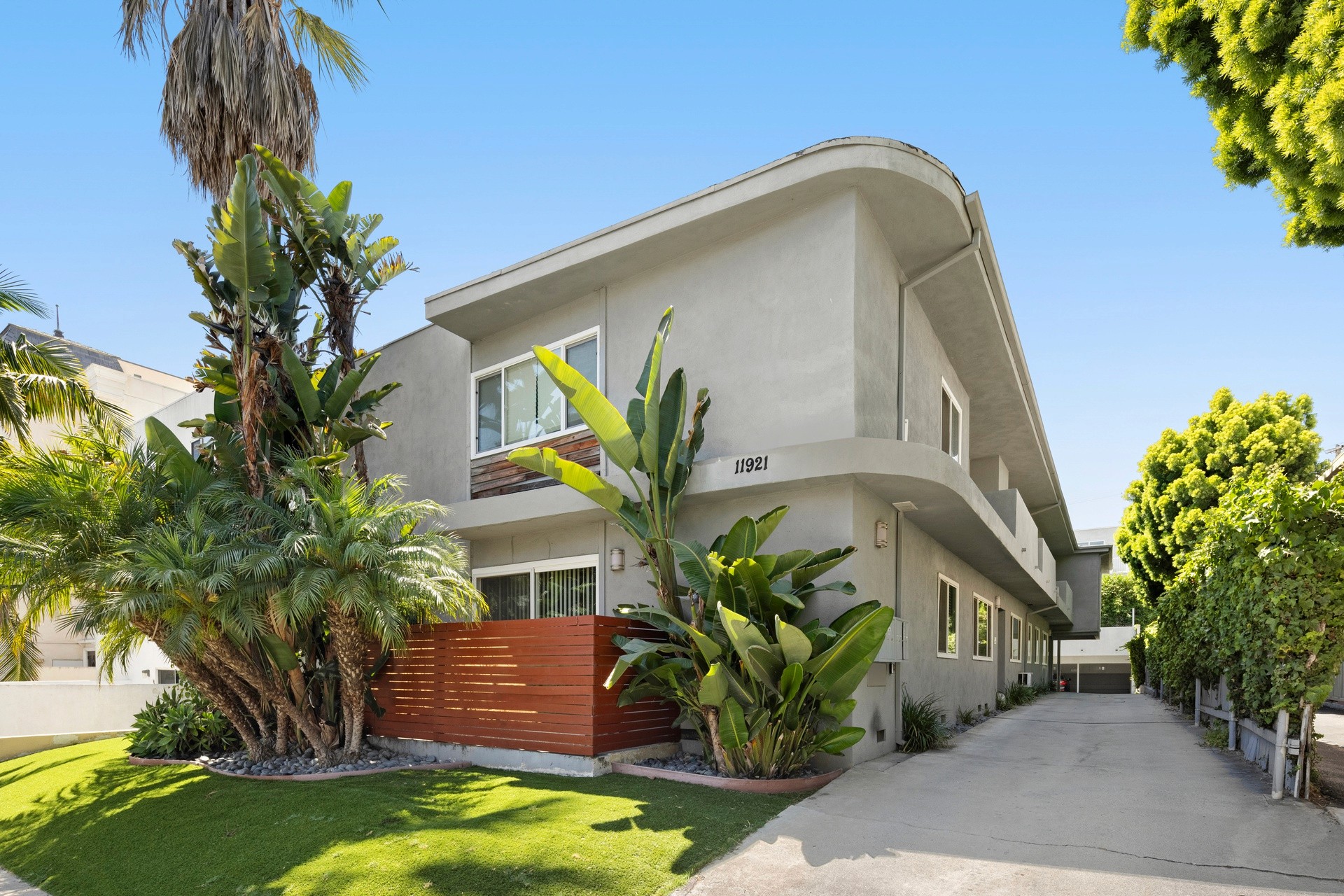
4741 Radford Ave was a 9-unit Valley Village property built in 1988 and sold for $3.925M.
The building consisted entirely of large 2-bdrm./2-bath units averaging more than 1,100 SF. It also offered updated interiors, private balconies, in-unit laundry, gated parking, and more modern building systems than much of the surrounding older apartment stock. The property was marketed as exempt from City of LA RSO, subject to buyer verification.
Radford reached buyers for very different reasons than Roscoe. It offered more current income, larger units, reported RSO exemption, and less immediate work.
Both buildings found buyers. The price point, condition, age, and reason for owning them were entirely different.
Burbank Is a Different Sale
Burbank is geographically part of the San Fernando Valley, but it is a separate city and should not be treated as another City of Los Angeles submarket.
City of LA RSO does not govern Burbank properties. Burbank has its own Tenant Protection Ordinance, which applies to residential rental units covered by California’s Tenant Protection Act and includes local rules involving certain no-fault evictions, relocation assistance, and tenant harassment.
That distinction can attract buyers who prefer to own outside City of LA RSO. It should not be marketed as though Burbank has no local tenant regulation.
Burbank buyers will also consider proximity to major studios and employment, but that advantage does not affect every property equally. A well-maintained building near the Media District may benefit differently than one farther from the major employment centers or with a unit mix that depends more heavily on parking and freeway access.
Who Is Most Likely to Buy the Building?
The Valley attracts local apartment owners, private investors, family groups, 1031 exchange buyers, developers, and larger operators.
They are not all looking for the same property.
A local owner may be comfortable with an older RSO building and gradual rent growth. A 1031 exchange buyer may prioritize location, scale, and certainty of closing. An all-cash investor may accept substantial work when the price allows enough room to complete it. A buyer seeking steady income may prefer a newer building with fewer immediate repairs.
Matthews’ Van Nuys review found private investors active in the 6-to-20-unit segment, while the largest properties reached institutional buyers. That distinction helps explain why unit count, price, financing, and physical condition can change who is most likely to respond.
Broad marketing still matters, but the strongest offer is not always the highest number on the first page.
An owner should also consider:
Whether the buyer’s financing is realistic
The amount and timing of the deposit
The diligence period
The closing timeline
The likelihood of credits or repricing
Whether the agreed price is likely to survive escrow
Those terms become especially important when the owner is coordinating a 1031 exchange, estate distribution, partnership decision, or another time-sensitive closing.
The strongest offer balances price with the buyer’s ability to complete the transaction.
Should You Sell or Keep Holding?
Knowing what a Valley apartment building may sell for does not automatically mean the owner should sell it.
A property held for decades may provide dependable income, favorable property taxes, and a cost basis that would be difficult to replace. Continuing to hold can remain the right decision when the building still supports the owner’s financial goals and management remains workable.
The calculation changes when the property requires substantial work, management has become burdensome, ownership is divided among family members or partners, or the building no longer fits the owner’s plans.
A sale should solve something.
That may mean reducing management, creating liquidity, resolving an estate or partnership issue, paying down debt, completing a 1031 exchange, or moving into a property with fewer day-to-day demands.
A useful valuation should therefore explain more than what the building might sell for. It should help the owner compare the likely net proceeds with the income, expenses, upcoming work, tax considerations, and responsibilities that come with continuing to hold.
Frequently Asked Questions
What is my San Fernando Valley apartment building worth?
There is no single Valley CAP rate or price per unit that applies to every property.
Buyers will consider the current income, expenses, exact submarket, RSO or local rules, building condition, unit mix, parking, age, and the most relevant closed sales.
A useful valuation should explain which sales are truly comparable and how buyers are likely to view the building today.
Which sales should my Valley apartment building be compared with?
The most useful comparisons usually come from the same or a closely related submarket.
The buildings should also have similar unit counts, age, condition, rent-control status, unit mix, and current income. A nearby sale may be less relevant when the 2 properties appeal to different buyers or require materially different work.
How do RSO and below-market rents affect what buyers will pay?
Buyers may recognize value in below-market rents, but they account for the time required for the income to grow, the condition of the units when turnover occurs, and the rules governing future increases.
RSO does not prevent a sale. It changes how buyers price the current return and the future rent growth they may receive.
Should I complete repairs before selling?
Work that reduces uncertainty, improves financing or insurance, or resolves an issue likely to surface during diligence may help.
That does not mean every project should be completed. Some work may be more efficiently handled by the next buyer. The decision should compare the cost and timing of the repair with its likely effect on buyer interest, price, and closing certainty.
Are Burbank apartment buildings subject to the same rules as City of LA properties?
No. Burbank is a separate city and is not governed by the City of Los Angeles RSO.
Burbank has its own Tenant Protection Ordinance in addition to applicable California law. The property, tenant history, exemptions, and local requirements should be reviewed before assumptions are included in the valuation or marketing.
When should I begin planning a 1031 exchange?
Before the Valley property closes and, preferably, before it is listed.
For a delayed exchange, replacement property generally must be identified within 45 days after the relinquished property is transferred and received within 180 days, or by the applicable tax-return deadline if earlier. Owners should involve a qualified intermediary and tax advisor before closing.
Considering Selling an Apartment Building in the San Fernando Valley?
Kenny Stevens has spent more than 25 years advising Los Angeles multifamily owners. Kenny Stevens Team has completed $2.75B+ in LA apartment sales across 675+ closed transactions. KST’s Valley experience includes family portfolios, older buildings requiring substantial work, newer properties marketed as exempt from City of LA RSO, and sales involving private investors, all-cash buyers, and 1031 exchange clients. That experience gives owners a grounded read on which buyers are likely to respond, where pricing may be challenged, and whether a sale supports what they want to do next.
Explore Related Posts for Deeper Insights

The Stevens Difference
Kenny Stevens Team brings 25+ years of Los Angeles multifamily experience, with $2.75B+ in LA apartment sales across 675+ closed transactions.




37
COMBINED YEARS OF EXPERIENCE
Selling and trading Los Angeles multifamily real estate

KST
AVERAGE
Sold price to listed price
